Pruning Apple Trees: When and How to Do It
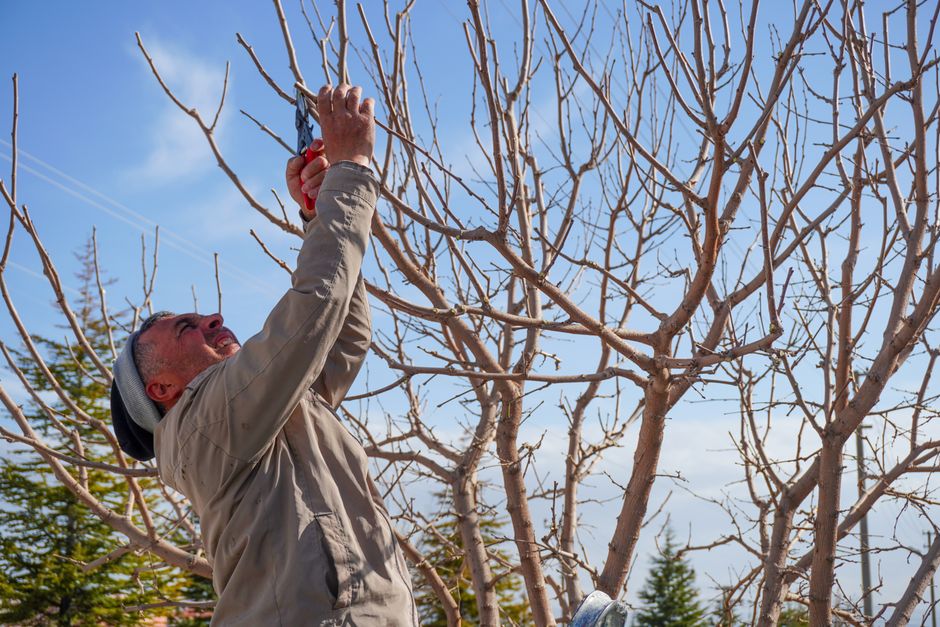
Pruning is a fundamental practice in apple tree cultivation, influencing both the health of the tree and the quality of its fruit. While the process may seem straightforward, it involves a set of principles and timing considerations that can significantly affect outcomes. This article explores the rationale behind pruning, the optimal periods for the task, and the methods commonly employed by orchardists and home gardeners alike. By understanding the biological responses of apple trees to pruning, one can approach the task with greater confidence and precision.
The primary objectives of pruning include shaping the tree, removing dead or diseased wood, and promoting adequate sunlight penetration and air circulation within the canopy. These factors are crucial for reducing the incidence of fungal diseases and encouraging the development of fruiting wood. Moreover, pruning helps manage the size of the tree, making harvesting and maintenance more accessible. It is important to recognize that pruning is not a one-time event but an ongoing process that requires observation and adaptation to the tree’s growth patterns and environmental conditions.
Understanding Apple Tree Growth and Pruning Response
Apple trees exhibit distinct growth habits that influence how they respond to pruning cuts. Each cut has the potential to stimulate new growth, redirect energy, or remove unwanted structures. The tree’s natural architecture, whether it is a central leader or an open-center form, dictates the approach an arborist or gardener might take. Understanding the concept of apical dominance—where the terminal bud suppresses the growth of lateral buds—is essential. Pruning can alter this balance, encouraging the development of side branches and the formation of fruiting spurs.
Another key aspect is the distinction between vegetative and reproductive growth. Pruning too heavily can lead to excessive vegetative growth, resulting in a dense canopy with reduced fruit production. Conversely, insufficient pruning can lead to overcrowding, which may reduce air flow and light exposure, potentially increasing susceptibility to pests and diseases. Therefore, the pruner must consider the tree’s age, vigor, and previous pruning history. In young trees, pruning is aimed at establishing a strong framework, while mature trees require maintenance pruning to sustain productivity and health. Each cut should be made with a purpose, whether it is to remove a crossing branch, open up the center, or rejuvenate an old spur system.
Determining the Right Time for Pruning
The timing of pruning plays a critical role in the tree’s response and subsequent health. In most temperate regions, the dormant season—late winter to early spring—is considered the most suitable period for major pruning. During this time, the tree is leafless, and its energy reserves are stored in the roots and trunk. Pruning then minimizes the loss of carbohydrates and reduces the risk of sap bleeding, which can attract pests. Additionally, the absence of leaves allows for better visibility of the branch structure, facilitating precise cuts.
However, there are nuances to consider. Pruning in extremely cold weather can cause damage to cut tissues, so it is advisable to avoid periods of severe frost. In areas with mild winters, pruning can be done later, just before bud break. Summer pruning, while less common, can be used to control growth, especially in vigorous trees, by removing water sprouts and excessive shoots. This practice can also improve light penetration to the inner canopy, aiding in fruit coloration. Yet, summer pruning should be lighter, as heavy cutting during the growing season can stress the tree. Ultimately, the best time depends on the local climate and the specific goals of the pruning session.
Essential Techniques for Effective Pruning
Effective pruning involves making clean cuts at appropriate locations to facilitate healing and minimize stress. The first rule is to use sharp, clean tools to avoid tearing the bark. Cuts should be made just outside the branch collar—the swollen area at the base of a branch—without leaving a stub. This technique preserves the natural protective zone that helps the tree compartmentalize the wound. For larger branches, a three-cut method is often recommended to prevent bark stripping: first, a shallow cut on the underside, followed by a top cut further out, and finally a clean cut at the collar.
Another important technique is thinning, which involves removing entire branches at their point of origin to reduce density without stimulating excessive regrowth. This method is preferred over heading cuts, which shorten branches and can promote dense bushy growth. Thinning improves air circulation and light exposure, supporting the development of fruiting wood. Additionally, the removal of suckers and water sprouts should be done regularly, as these vigorous shoots often consume resources without contributing to fruit production. It is also essential to eliminate any dead, diseased, or damaged branches, as they can serve as entry points for pathogens.
When pruning, it is useful to step back frequently and assess the overall shape. A well-pruned tree should have a balanced structure with evenly spaced scaffold branches. For central leader trees, maintaining a single dominant leader is crucial, while open-center forms require the removal of the central leader early on to encourage spreading. Each cut should be made with the tree’s long-term form in mind.
Common Pruning Mistakes to Avoid
Even experienced pruners can fall into certain pitfalls that compromise tree health. One common error is over-pruning, or removing more than 25-30% of the live wood in a single season. This can shock the tree, leading to excessive regrowth or reduced fruit set. Another mistake is making flush cuts, which remove the branch collar and hinder the tree’s ability to seal the wound. Similarly, leaving stubs can invite rot and disease. Timing errors, such as pruning in late summer or early fall, can stimulate new growth that is vulnerable to winter damage.
It is also important to avoid pruning during wet conditions, as fungal spores can spread through open wounds. Furthermore, using dull tools can cause ragged cuts that are slow to heal. Finally, a lack of a systematic approach can lead to uneven canopies and missed opportunities for corrective cuts. To mitigate these issues, one should plan each pruning session, assess the tree’s needs, and make deliberate cuts that align with the tree’s natural form.
Conclusion
Pruning apple trees is a nuanced practice that, when executed with knowledge and care, can contribute to the tree’s vigor and fruit production. The timing and techniques discussed here provide a foundational framework, but it is essential to adapt these principles to local conditions and individual tree characteristics. By observing the tree’s responses and adjusting accordingly, gardeners and orchardists can maintain healthy, productive trees over the long term. As with any horticultural practice, patience and ongoing attention are key to achieving the desired balance between growth and fruiting.